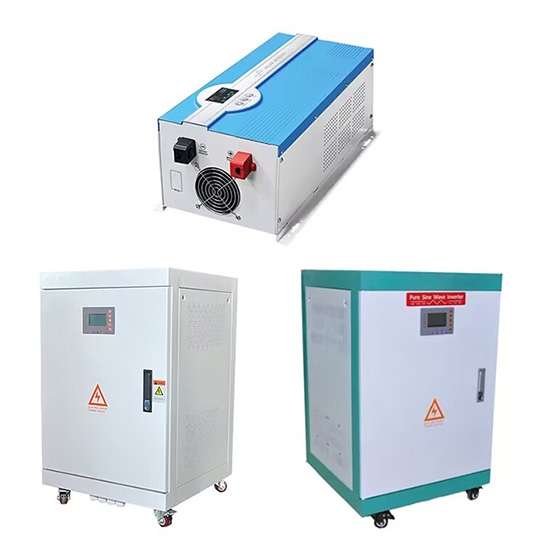
Off-grid inverters are a vital component in standalone power systems, designed to provide electricity in locations that are not connected to the main electrical grid. These inverters are essential for converting direct current (DC) from renewable energy sources such as solar panels, wind turbines, or batteries into alternating current (AC), which is the standard form of electricity used by most household appliances and devices.
The primary function of an off-grid inverter is to ensure a stable and reliable power supply, even in remote or isolated areas. Unlike grid-tied inverters, which rely on the electrical grid for synchronization and backup, off-grid inverters operate independently. They must manage the power flow from various sources, store excess energy in batteries, and provide power on demand without the support of a utility grid.
One of the key features of off-grid inverters is their ability to handle multiple power sources. Solar panels are a common input source, converting sunlight into DC electricity. Wind turbines can also be integrated, generating power from wind energy. Additionally, off-grid inverters can work with battery banks, which store excess energy generated during peak production times for use during periods of low generation or high demand.
Efficiency is another crucial aspect of off-grid inverters. Since these systems often rely on stored energy, minimizing energy loss during conversion is essential. High-efficiency inverters ensure that a greater percentage of the energy generated by renewable sources is available for use, reducing waste and improving overall system performance.
Modern off-grid inverters come equipped with advanced features to enhance their functionality and reliability. For instance, many models include automatic voltage regulation to maintain a consistent output voltage, regardless of fluctuations in input power. Overload protection safeguards the inverter and connected devices from damage due to excessive power demands. Additionally, temperature control mechanisms help to prevent overheating, ensuring the inverter operates safely and efficiently under various environmental conditions.
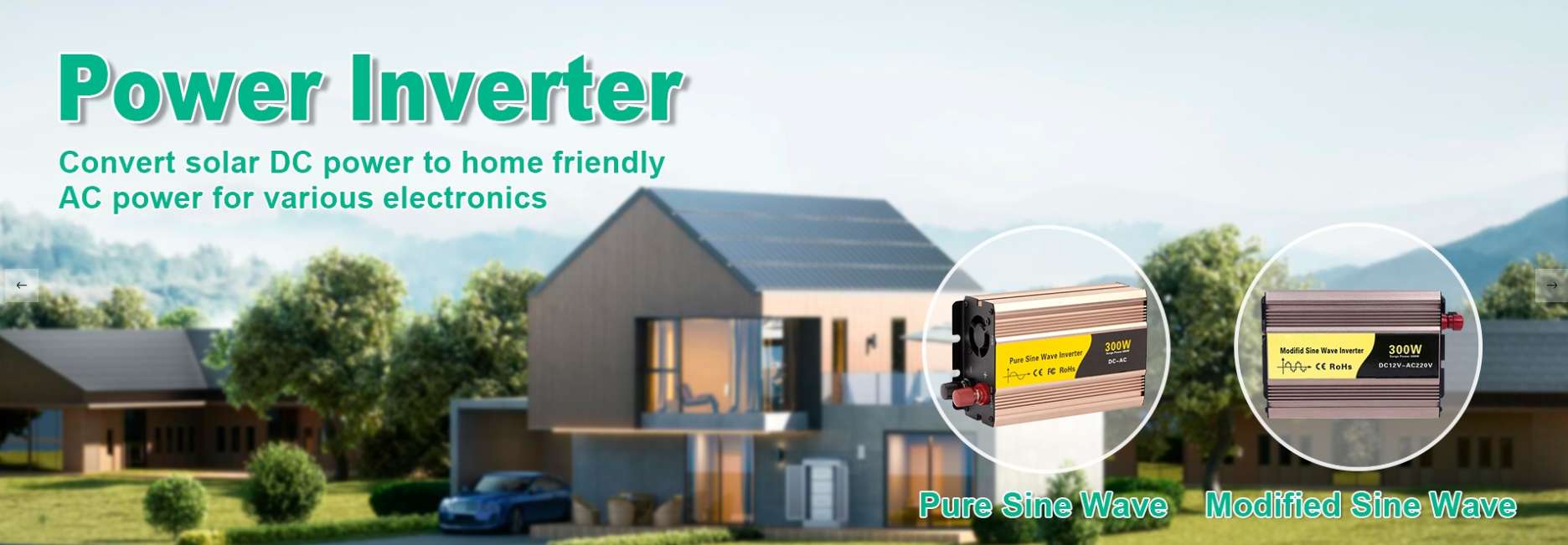
Another important consideration for off-grid inverters is their compatibility with different types of loads. Some appliances, such as computers and medical equipment, require a pure sine wave output for optimal performance. While modified sine wave inverters can power many devices, pure sine wave inverters are necessary for sensitive electronics. Off-grid inverters are available in both modified sine wave and pure sine wave configurations, allowing users to choose the appropriate type based on their specific needs.
When selecting an off-grid inverter, it is essential to consider the total power requirements of the system. The inverter's capacity should match or exceed the combined wattage of all connected devices to ensure reliable operation. Additionally, factors such as efficiency, input voltage range, and output waveform should be carefully evaluated to ensure the inverter meets the specific needs of the off-grid setup.
Off-grid inverters are indispensable for providing power in locations without access to the electrical grid. They offer the flexibility to integrate multiple renewable energy sources, ensuring a reliable and efficient power supply. With advanced features and various configurations available, off-grid inverters can meet the diverse needs of standalone power systems, making them a crucial component for anyone looking to generate and manage their own electricity.