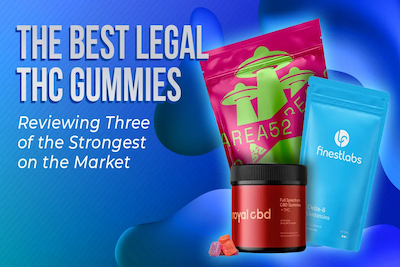
The Murky Ethics of Elevated Edibles: A Deep Dive into Area 52's Best Weed Gummies and Our Responsibility to the Planet
The pursuit of pleasure, even through something as seemingly innocuous as a gummy, carries a moral weight. We, as consumers, often conveniently ignore the environmental impact of our choices. When we reach for those top weed gummies from Area 52, are we considering the unseen costs? This isn't just about a buzz; it's about participating in a system with potential ecological consequences. Let's unpack this, acknowledging the grim realities lurking behind the sweet facade.
A Politicized High: Regulations and Responsibility
The legal landscape surrounding THC is a confusing tapestry woven with state and federal inconsistencies. This political morass creates loopholes and ambiguities that businesses, and consumers, can exploit. Hemp-derived THC, for example, skirts the line of legality in many places, yet its environmental footprint remains substantial.
The Challenge of Consistency: The patchwork of regulations means environmental standards are often inconsistent or nonexistent. Are the farms growing the hemp adhering to sustainable practices? Is the extraction process energy-efficient? Without clear, nationwide guidelines, these considerations are often secondary to profit.
Environmental Sins: The Unseen Costs of Candy
Let's be blunt: growing, processing, and distributing anything, including best THC gummies for cannabis enthusiasts, leaves a mark on the planet. The question is, how big is that mark?
Cultivation Concerns: Hemp cultivation, while often touted as eco-friendly, can be resource-intensive. Water usage, pesticide application (even if organic), and land clearing all contribute to environmental degradation. Are Area 52 and other manufacturers prioritizing sustainable farming practices or simply chasing the highest yield?
Extraction Emissions: The CO2 extraction method, commonly praised for its purity, still requires energy. What is the source of that energy? Is it renewable or are we contributing to fossil fuel emissions with every gummy consumed? A life cycle assessment of Area 52's THC gummies would be invaluable but rarely available to the public.
Packaging Problems: The single-use plastic packaging that encases most gummies is an environmental nightmare. Even if recyclable (which is often not the case), the infrastructure to properly process these materials is lacking in many areas. Are there truly sustainable packaging alternatives being explored and implemented by Area 52 or is it greenwashing?
Transportation Troubles: From the farm to the processing facility to the distributor to your doorstep, each gummy travels a considerable distance. The carbon footprint of this transportation network is undeniable. Is there a focus on local sourcing and distribution to minimize this impact?
Consumers Complicit: Our Role in the Ecological Equation
Ultimately, we, the consumers, hold a significant amount of power. Our purchasing decisions dictate what businesses prioritize.
The Ethical Quandary: Are we willing to pay a premium for gummies produced with sustainable practices? Are we actively seeking out brands that prioritize environmental responsibility even if it means sacrificing a little potency or flavor? The demand for Area 52 offers the best weed gummies online needs to be tempered with environmental awareness.
Information Illiteracy: We need more transparency. Brands should be required to disclose their environmental impact from cultivation to disposal. Third-party certifications and life cycle assessments should be readily available to consumers. Without this information, we are blindly complicit in potentially harmful practices.
Moving Forward: A Somber Plea for Sustainability
The world of weed gummies is evolving rapidly. As consumers, we must demand more than just a good high. We must demand environmental responsibility. This requires a shift in mindset—a willingness to question our choices—and a commitment to supporting brands that prioritize the planet alongside profit.
This exploration doesn't offer easy answers nor does it provide a rousing call to action. Instead, it serves as a lament—a recognition of the complicated relationship between our desires and their often-overlooked consequences. The path forward is uncertain but acknowledging the problem is the first step towards a more sustainable and ultimately less guilt-ridden future.